
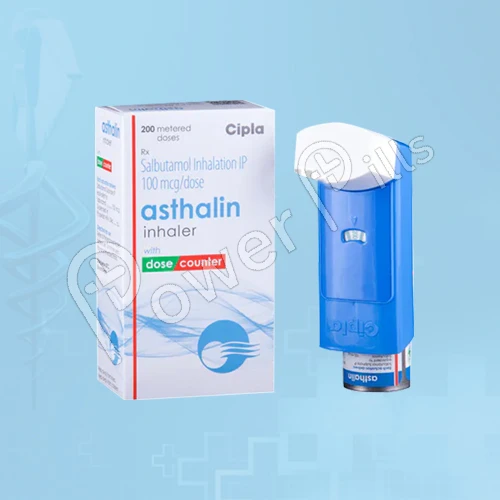
Albuterol inhaler
Price range: $65.00 through $180.00
Albuterol inhaler is a quick-relief medication used to open airways and improve breathing. It is commonly prescribed for asthma and chronic lung conditions. The medicine works rapidly to reduce wheezing, shortness of breath, and chest tightness when used correctly.
| Inhaler | Price | Quantity | |
|---|---|---|---|
| 6 inhaler/s | $65.00 | ||
| 12 inhaler/s | $105.00 | ||
| 24 inhaler/s | $180.00 |

Albuterol Inhaler: Complete Guide
Albuterol inhaler is a commonly prescribed bronchodilator used to treat breathing difficulties caused by asthma and other lung conditions. It belongs to a group of medicines known as short-acting beta-agonists. This medication helps relax airway muscles and allows air to move more freely in and out of the lungs.
Doctors frequently recommend this inhaler for sudden breathing symptoms. It is not intended for long-term inflammation control but is used for quick symptom relief. Proper inhaler technique ensures effective delivery of the medicine to the lungs.
How Albuterol Inhaler Works
Albuterol inhaler works by stimulating beta-2 receptors in the airway muscles. These muscles relax after stimulation, which leads to widened airways. As airflow improves, breathing becomes easier, and symptoms such as wheezing and coughing decrease.
Relief is usually felt within minutes of use. Because of its fast action, this inhaler is often referred to as a rescue inhaler. Regular monitoring ensures appropriate usage frequency.
Uses of Albuterol Inhaler
Albuterol inhaler is commonly used for:
-
Asthma attacks
-
Exercise-induced bronchospasm
-
Chronic obstructive pulmonary disease (COPD)
-
Shortness of breath
-
Wheezing and chest tightness
It may also be prescribed before physical activity to prevent breathing difficulty triggered by exercise.
Dosage and Administration
The dosage of Albuterol inhaler depends on age, medical condition, and severity of symptoms. It is usually taken as one or two puffs every four to six hours when needed. The inhaler should be shaken well before use.
Proper inhalation technique is essential. The mouthpiece should be placed between the lips, and the medicine should be inhaled deeply while pressing the canister. Overuse should be avoided unless directed by a healthcare professional.
Benefits of Albuterol Inhaler
-
Rapid relief from breathing difficulty
-
Improves airflow within minutes
-
Easy to carry and use
-
Effective for asthma and COPD symptoms
-
Suitable for emergency symptom control
Because of these benefits, Albuterol inhaler remains a primary choice for quick respiratory relief.
Possible Side Effects
Most side effects are mild and temporary. These may include:
-
Tremors
-
Nervousness
-
Headache
-
Increased heart rate
-
Throat irritation
Severe side effects are rare. Medical advice should be sought if chest pain, severe dizziness, or persistent symptoms occur.
Precautions and Warnings
Before using Albuterol inhaler, a doctor should be informed about heart problems, high blood pressure, diabetes, or thyroid disorders. Other medications being taken should also be disclosed.
Frequent need for this inhaler may indicate poor asthma control and requires medical evaluation. The inhaler should be stored at room temperature and protected from heat.
FAQs
Q1. What is Albuterol inhaler used for?
It is used to relieve breathing problems caused by asthma, COPD, and exercise-induced bronchospasm.
Q2. How fast does Albuterol inhaler work?
Relief usually begins within minutes after inhalation.
Q3. Can Albuterol inhaler be used daily?
It can be used as needed, but frequent daily use should be discussed with a doctor.
Q4. Is Albuterol inhaler safe for children?
Yes, it may be prescribed for children with proper dosage guidance.
Q5. Can this inhaler cure asthma?
No, it provides symptom relief but does not cure asthma.
| Inhaler | 6 inhaler/s, 12 inhaler/s, 24 inhaler/s |
|---|---|
| Active Ingredient | Salbutamol |
| Indication | Asthma |
| Manufacturer | Cipla Limited |
| Packaging | 200 MDI in 1 inhaler |
| Strength | 100mcg |
| Delivery Time | 6 To 15 days |
Related products





 Albuterol inhaler
Price range: $65.00 through $180.00
| Inhaler | Price | Quantity | |
|---|---|---|---|
| 6 inhaler/s | $65.00 | ||
| 12 inhaler/s | $105.00 | ||
| 24 inhaler/s | $180.00 |