
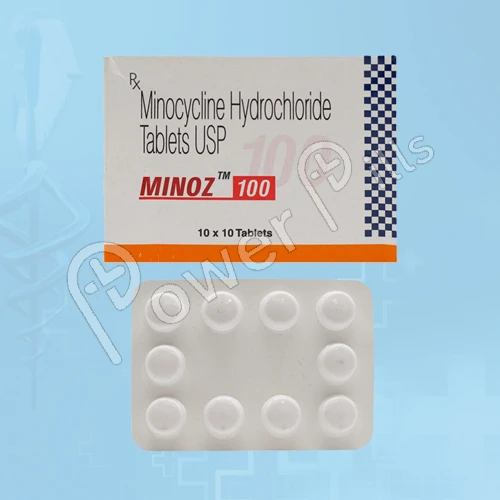
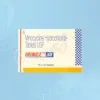
Minoz 100 mg (Minocycline)
Price range: $60.00 through $175.00
Minoz 100 mg is a tetracycline antibiotic used to treat acne and various bacterial infections. It works by stopping bacterial growth and reducing inflammation. Doctors commonly prescribe it for skin, respiratory, and soft tissue infections under proper medical guidance.
| Tablet | Price | Quantity | |
|---|---|---|---|
| 50 Tablet/s | $60.00 | ||
| 100 Tablet/s | $100.00 | ||
| 200 Tablet/s | $175.00 |

Introduction
Minoz 100 mg is a well-known antibiotic medicine that contains minocycline as its active ingredient. Doctors widely prescribe this medication to manage bacterial infections, especially moderate to severe acne. Minoz 100 mg belongs to the tetracycline class of antibiotics and delivers reliable antibacterial action when taken as directed.
What is Minoz 100 mg?
Minoz 100 mg is an oral antibiotic capsule formulated with minocycline hydrochloride. This medicine fights bacteria by preventing them from producing essential proteins needed for survival. Minoz 100 mg helps control infection spread and supports faster recovery when used responsibly.
Uses of Minoz 100 mg
Doctors prescribe Minoz 100 mg for several bacterial conditions. The most common uses include:
-
Acne vulgaris, especially inflammatory acne
-
Skin and soft tissue infections
-
Respiratory tract infections
-
Urinary tract infections
-
Certain sexually transmitted infections
-
Bacterial eye infections (off-label use)
Minoz 100 mg does not work against viral infections such as flu or the common cold.
How Minoz 100 mg Works
Minoz 100 mg stops bacterial growth by inhibiting protein synthesis inside bacterial cells. Minocycline binds to bacterial ribosomes and blocks their ability to multiply. This action reduces inflammation, controls infection, and allows the immune system to eliminate bacteria effectively.
Dosage and Administration
Doctors decide the dosage of Minoz 100 mg based on the patient’s condition, age, and medical history.
Typical dosage guidelines include:
-
Acne: 100 mg once or twice daily
-
Other infections: 100 mg every 12 hours
Minoz 100 mg should be taken with a full glass of water. The capsule should not be crushed or chewed. Patients should complete the full prescribed course to prevent antibiotic resistance.
Benefits of Minoz 100 mg
Minoz 100 mg offers several advantages when used correctly:
-
Effectively treats moderate to severe acne
-
Reduces inflammation and redness
-
Controls bacterial growth efficiently
-
Provides long-lasting antibacterial action
-
Suitable for long-term acne management under supervision
These benefits make Minoz 100 mg a trusted option among dermatologists and physicians.
Side Effects of Minoz 100 mg
Like all antibiotics, Minoz 100 mg may cause side effects in some patients. Most effects remain mild and temporary.
Common side effects include:
-
Nausea
-
Vomiting
-
Dizziness
-
Headache
-
Diarrhea
Less common but serious effects include:
-
Skin discoloration
-
Liver function changes
-
Severe allergic reactions
-
Photosensitivity
Medical advice should be taken if severe symptoms appear.
Precautions and Warnings
Certain precautions should be followed before using Minoz 100 mg:
-
Pregnant women should avoid this medicine
-
Children under 8 years should not use it
-
Patients with liver disease should consult a doctor
-
Sun exposure should be limited due to photosensitivity risk
Minoz 100 mg should always be used under medical supervision.
Drug Interactions
Minoz 100 mg may interact with other medicines, including:
-
Antacids containing calcium or magnesium
-
Iron supplements
-
Oral contraceptives
-
Blood-thinning medicines
Patients should inform their doctor about all current medications before starting Minoz 100 mg.
Storage Instructions
Minoz 100 mg should be stored at room temperature, away from heat and moisture. The capsules should be kept out of reach of children and pets. Expired medicine should not be consumed.
Conclusion
Minoz 100 mg plays an important role in treating acne and bacterial infections. Its proven antibacterial action, combined with proper medical guidance, ensures effective results. Responsible use of Minoz 100 mg helps control infections safely and supports long-term skin health.
Frequently Asked Questions (FAQ)
1. What is Minoz 100 mg used for?
Minoz 100 mg is mainly used to treat acne and various bacterial infections.
2. How long does Minoz 100 mg take to work?
Improvement is usually noticed within a few days, while acne treatment may take several weeks.
3. Can Minoz 100 mg be taken daily?
Yes, Minoz 100 mg can be taken daily if prescribed by a doctor.
4. Does Minoz 100 mg cause sun sensitivity?
Yes, increased sensitivity to sunlight may occur, so sun protection is advised.
5. Is Minoz 100 mg safe for long-term use?
Long-term use should only be done under medical supervision to avoid side effects.
| Tablet | 50 Tablet/s, 100 Tablet/s, 200 Tablet/s |
|---|---|
| Active Ingredient (Generic Name) | Minocycline |
| Indication | Bacterial infections |
| Manufacturer | Sun Pharmaceutical Industries Ltd |
| Packaging | 10 Tablet In 1 Strip |
| Strength | 100mg |
| Delivery Time | 6 To 15 days |
Related products




 Minoz 100 mg (Minocycline)
Price range: $60.00 through $175.00
| Tablet | Price | Quantity | |
|---|---|---|---|
| 50 Tablet/s | $60.00 | ||
| 100 Tablet/s | $100.00 | ||
| 200 Tablet/s | $175.00 |