
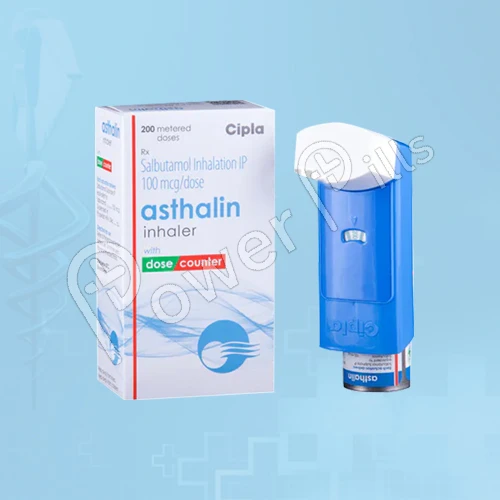
Asthalin inhaler
Price range: $65.00 through $180.00
Asthalin inhaler is used to manage asthma, chronic bronchitis, and other respiratory conditions. It helps open airways, reduce wheezing, and ease breathing. Asthalin inhaler should be used as prescribed, with proper technique and dosage, to ensure effective relief and long-term asthma management.
| Inhaler | Price | Quantity | |
|---|---|---|---|
| 6 inhaler/s | $65.00 | ||
| 12 inhaler/s | $105.00 | ||
| 24 inhaler/s | $180.00 |

Introduction
Asthalin inhaler is a widely prescribed bronchodilator used to relieve asthma attacks and other respiratory conditions involving airway constriction. It provides fast relief from wheezing, shortness of breath, and chest tightness. Asthalin inhaler works by relaxing muscles in the airways, allowing easier airflow and improved breathing.
What is Asthalin Inhaler?
Asthalin inhaler contains salbutamol (also known as albuterol), a short-acting beta-2 agonist. It targets the airway muscles, helping them relax and expand. Asthalin inhaler is used both for acute symptom relief and as a preventive measure before exercise or exposure to triggers that may cause bronchospasm.
Uses of Asthalin Inhaler
Asthalin inhaler is primarily used for:
-
Asthma attacks and symptom relief
-
Chronic obstructive pulmonary disease (COPD)
-
Exercise-induced bronchospasm
-
Chronic bronchitis or other airway obstructions
Asthalin inhaler may also be recommended as part of a long-term asthma management plan under medical guidance.
How Asthalin Inhaler Works
Asthalin inhaler works by stimulating beta-2 receptors in the airway muscles. This causes the muscles to relax and the airways to widen, allowing easier airflow. The effects of Asthalin inhaler are fast-acting, providing relief within minutes of inhalation. It targets only the lungs and minimizes systemic effects when used properly.
Dosage and Administration
Proper usage is essential for effective results with Asthalin inhaler.
General guidelines include:
-
Standard dose: 1–2 inhalations every 4–6 hours as needed
-
For exercise-induced asthma: 2 inhalations 15–30 minutes before activity
-
Avoid exceeding prescribed doses to reduce the risk of side effects
Steps for effective use:
-
Shake the inhaler well before use
-
Exhale completely
-
Place the mouthpiece in your mouth and inhale deeply while pressing the canister
-
Hold your breath for 5–10 seconds
-
Exhale slowly
Proper cleaning and storage of Asthalin inhaler are important to maintain its effectiveness.
Benefits of Asthalin Inhaler
Asthalin inhaler provides multiple benefits for asthma and respiratory patients:
-
Rapid relief from bronchospasm and wheezing
-
Improved breathing and oxygen intake
-
Effective for acute attacks and exercise-induced symptoms
-
Easy-to-use inhaler format for on-the-go relief
-
Safe when used according to medical instructions
These advantages make Asthalin inhaler a reliable choice for emergency relief and daily asthma management.
Side Effects of Asthalin Inhaler
Asthalin inhaler is generally well tolerated, but some side effects may occur.
Common side effects include:
-
Tremors or shaking of hands
-
Nervousness or restlessness
-
Headache
-
Increased heart rate (palpitations)
-
Mild throat irritation
Rare but serious side effects include:
-
Severe allergic reactions
-
Chest pain
-
Irregular heartbeat
Medical advice should be sought if severe or persistent side effects occur. Proper dosing minimizes most risks.
Precautions and Warnings
Before using Asthalin inhaler, consider the following precautions:
-
Patients with heart disease, high blood pressure, or diabetes should consult a doctor
-
Asthalin inhaler should not replace long-term asthma control medications
-
Overuse may lead to reduced effectiveness or increased side effects
-
Children and elderly patients require careful monitoring
Asthalin inhaler should always be used under a doctor’s guidance for safe and effective asthma management.
Drug Interactions
Asthalin inhaler may interact with:
-
Beta-blockers (used for heart conditions)
-
Certain antidepressants and MAO inhibitors
-
Other bronchodilators
Patients should inform their doctor about all medications they are taking to prevent interactions.
Storage Instructions
Asthalin inhaler should be stored at room temperature, away from direct sunlight and heat. Keep the inhaler upright and avoid exposure to moisture. Always keep it out of reach of children.
Responsible Use of Asthalin Inhaler
Asthalin inhaler should be used as directed. Overuse can lead to reduced effectiveness or side effects. Patients should also maintain a written asthma action plan and monitor symptoms to ensure long-term control.
Conclusion
Asthalin inhaler is a fast-acting, effective medication for managing asthma, COPD, and exercise-induced bronchospasm. When used correctly, Asthalin inhaler provides rapid relief, improved breathing, and better overall respiratory health. Medical supervision and proper inhaler technique are essential for safe and effective use.
Frequently Asked Questions (FAQ)
1. What is Asthalin inhaler used for?
Asthalin inhaler is used to relieve asthma attacks, bronchospasm, and exercise-induced breathing difficulties.
2. How quickly does Asthalin inhaler work?
Asthalin inhaler provides relief within minutes of inhalation.
3. Can Asthalin inhaler be used daily?
It can be used as prescribed for acute symptoms, but long-term asthma control should involve other medications as recommended by a doctor.
4. Are there side effects of Asthalin inhaler?
Common side effects include tremors, nervousness, headache, increased heart rate, and throat irritation. Severe reactions are rare.
5. Can children use Asthalin inhaler?
Yes, but children should use Asthalin inhaler under supervision and according to prescribed doses.
| Inhaler | 6 inhaler/s, 12 inhaler/s, 24 inhaler/s |
|---|---|
| Active Ingredient | Salbutamol |
| Indication | Asthma |
| Manufacturer | Cipla Limited |
| Packaging | 200 MDI in 1 inhaler |
| Strength | 100mcg |
| Delivery Time | 6 To 15 days |
Related products



 Asthalin inhaler
Price range: $65.00 through $180.00
| Inhaler | Price | Quantity | |
|---|---|---|---|
| 6 inhaler/s | $65.00 | ||
| 12 inhaler/s | $105.00 | ||
| 24 inhaler/s | $180.00 |