
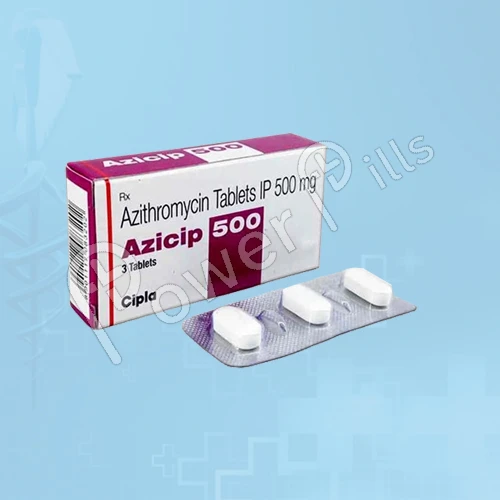
Azicip 500
Price range: $50.00 through $430.00
Azicip 500 is used to treat bacterial infections such as respiratory, skin, urinary tract, and throat infections. It works by inhibiting bacterial growth and multiplication. Proper dosage and completion of the full course under medical supervision ensure effective treatment with Azicip 500, supporting faster recovery and preventing recurrence.
| Tablet | Price | Quantity | |
|---|---|---|---|
| 30 Tablet/s | $50.00 | ||
| 60 Tablet/s | $80.00 | ||
| 120 Tablet/s | $135.00 | ||
| 240 Tablet/s | $240.00 | ||
| 480 Tablet/s | $430.00 |

Introduction
Azicip 500 is a widely prescribed antibiotic for the treatment of bacterial infections. Belonging to the macrolide class, it works by inhibiting bacterial protein synthesis, preventing bacteria from multiplying, and allowing the immune system to eliminate infection. When used as directed, Azicip 500 ensures safe and effective relief, reduces infection severity, and promotes quicker recovery.
Uses of Azicip 500
Azicip 500 is indicated for the treatment of:
-
Respiratory tract infections: Bronchitis, pneumonia, and sinusitis.
-
Skin and soft tissue infections: Including cellulitis, wounds, and acne-related bacterial infections.
-
Throat and ear infections: Tonsillitis, pharyngitis, and otitis media.
-
Urinary tract infections: Bacterial infections affecting the bladder or kidneys.
Its broad-spectrum activity allows Azicip 500 to target both Gram-positive and certain Gram-negative bacteria, making it effective for multiple bacterial infections.
How Azicip 500 Works
Azicip 500 works by binding to bacterial ribosomes, preventing the production of proteins essential for bacterial growth. By inhibiting protein synthesis, bacterial multiplication is stopped, allowing the immune system to eliminate the infection efficiently.
Completing the full prescribed course ensures the infection is fully treated and reduces the risk of antibiotic resistance.
Dosage and Administration
The dosage of Azicip 500 depends on the infection type, severity, patient age, and medical history:
-
Adults: Typically one 500 mg tablet daily or as prescribed by the doctor.
-
Children: Dosage adjusted according to weight and physician guidance.
The tablet should be taken orally with water. For optimal absorption, it may be taken on an empty stomach. Completing the full course is essential even if symptoms improve early, to prevent recurrence or resistance.
Benefits of Azicip 500
Azicip 500 offers multiple benefits:
-
Rapid control of bacterial growth
-
Relief from infection-related symptoms such as fever, pain, and inflammation
-
Prevention of infection spread
-
Faster recovery and improved overall health
Adherence to medical guidance maximizes these benefits and ensures complete infection management.
Side Effects of Azicip 500
Common side effects may include:
-
Nausea or vomiting
-
Diarrhea or mild stomach discomfort
-
Headache
-
Skin rash or itching
Rare side effects include severe allergic reactions, liver enzyme changes, or prolonged diarrhea. Any severe or unusual symptoms should be reported to a healthcare professional immediately.
Precautions and Warnings
Before taking Azicip 500, patients should inform their doctor about:
-
Liver or kidney disease
-
Allergies to macrolide antibiotics
-
Heart conditions
-
Pregnancy or breastfeeding
Avoid self-medicating or combining with other antibiotics without consulting a healthcare professional. Proper evaluation ensures safe and effective treatment.
Drug Interactions
Azicip 500 may interact with:
-
Blood thinners (anticoagulants)
-
Cholesterol-lowering medications
-
Heart rhythm drugs
-
Other antibiotics
Providing a complete medication list to the doctor helps prevent harmful interactions.
Who Should Avoid Azicip 500
Patients allergic to azithromycin or macrolides, or those with severe liver impairment, should avoid this medication. Proper medical guidance ensures safety.
Lifestyle Support During Treatment
Optimal recovery with Azicip 500 can be supported by:
-
Drinking plenty of water
-
Eating a balanced diet to strengthen immunity
-
Getting adequate rest
-
Avoiding alcohol to prevent worsening side effects
These practices enhance the effectiveness of Azicip 500 and accelerate recovery.
Storage Instructions
Azicip 500 should be stored in a cool, dry place, away from sunlight and moisture. Keep out of reach of children. Proper storage ensures potency and effectiveness.
Conclusion
Azicip 500 is a safe and effective prescription antibiotic for treating bacterial infections. When taken as prescribed, it prevents bacterial growth, alleviates symptoms, and promotes full recovery. Awareness of dosage, side effects, and precautions ensures safe and effective treatment with Azicip 500.
Frequently Asked Questions (FAQ)
Q1: What is Azicip 500 used for?
Azicip 500 treats bacterial infections such as respiratory, skin, urinary tract, throat, and ear infections.
Q2: How quickly does Azicip 500 work?
Symptoms usually improve within 2–3 days, but the full course must be completed to ensure complete infection clearance.
Q3: Can Azicip 500 cause nausea or diarrhea?
Yes, mild gastrointestinal side effects such as nausea or diarrhea may occur.
Q4: Is Azicip 500 safe during pregnancy?
Consult a doctor before use. Safety depends on individual health conditions.
Q5: How should Azicip 500 be stored?
Store in a cool, dry place, away from sunlight and moisture. Keep out of reach of children.
| Active Ingredient: | Azithromycin |
|---|---|
| Indication | Bacterial infections of the eye, Conjunctivitis, Bacterial infections |
| Manufacturer | Cipla Limited |
| Packaging | 3 tablets in 1 strip |
| Strength | 500 Mg |
| Delivery Time | 6 To 15 days |
Related products








 Azicip 500
Price range: $50.00 through $430.00
| Tablet | Price | Quantity | |
|---|---|---|---|
| 30 Tablet/s | $50.00 | ||
| 60 Tablet/s | $80.00 | ||
| 120 Tablet/s | $135.00 | ||
| 240 Tablet/s | $240.00 | ||
| 480 Tablet/s | $430.00 |
Reviews
There are no reviews yet.