
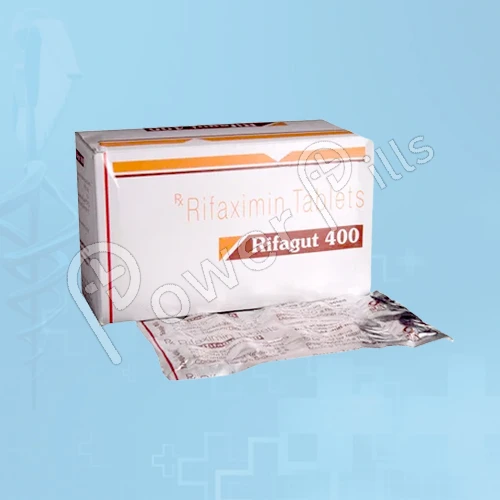
Rifagut 400 Mg (Rifaximin)
Price range: $105.00 through $250.00
Rifagut 400 Mg (Rifaximin) is an effective antibiotic used for treating bacterial infections in the gut, including traveler’s diarrhea, hepatic encephalopathy prevention, and irritable bowel syndrome. Rifagut 400 Mg (Rifaximin) works locally in the intestines, reducing bacterial overgrowth, controlling symptoms, and promoting gastrointestinal health without significant systemic absorption.
| Tablet/s | Price | Quantity | |
|---|---|---|---|
| 100 Tablet/s | $105.00 | ||
| 200 Tablet/s | $185.00 | ||
| 300 Tablet/s | $250.00 |

Introduction
Rifagut 400 Mg (Rifaximin) is a broad-spectrum oral antibiotic that acts primarily in the gastrointestinal tract. It is widely used for managing traveler’s diarrhea, hepatic encephalopathy, and irritable bowel syndrome with diarrhea (IBS-D). Rifagut 400 Mg (Rifaximin) works locally, minimizing systemic absorption while targeting harmful gut bacteria to restore normal gut flora and alleviate symptoms effectively.
Uses of Rifagut 400 Mg (Rifaximin)
Rifagut 400 Mg (Rifaximin) is prescribed for:
-
Traveler’s Diarrhea: Effective against E. coli and other bacterial pathogens
-
Hepatic Encephalopathy: Prevents recurrence by reducing gut-derived ammonia
-
Irritable Bowel Syndrome with Diarrhea (IBS-D): Helps relieve bloating, abdominal discomfort, and diarrhea
-
Small Intestinal Bacterial Overgrowth (SIBO): Reduces excessive gut bacterial growth
Rifagut 400 Mg (Rifaximin) is often preferred due to its minimal systemic absorption and targeted action in the intestines.
Mechanism of Action
Rifagut 400 Mg (Rifaximin) acts by:
-
Inhibiting bacterial RNA synthesis, preventing bacterial growth
-
Acting locally in the gastrointestinal tract with minimal systemic absorption
-
Reducing pathogenic bacteria while maintaining beneficial gut flora
-
Controlling bacterial overgrowth that causes diarrhea, bloating, and other GI symptoms
Its local action ensures effective treatment of intestinal infections with reduced systemic side effects.
Dosage and Administration
The dosage of Rifagut 400 Mg (Rifaximin) depends on the condition being treated:
-
Traveler’s Diarrhea: 400 mg orally three times daily for 3–5 days
-
Hepatic Encephalopathy Prevention: 400 mg orally twice daily or as directed
-
IBS-D: 550 mg orally three times daily for 14 days
Administration Guidelines:
-
Take Rifagut 400 Mg (Rifaximin) with or without food
-
Swallow tablets whole; do not crush or chew
-
Complete the full course even if symptoms improve early
-
Maintain hydration during treatment
Proper adherence ensures the effectiveness of Rifagut 400 Mg (Rifaximin) and prevents bacterial resistance.
Benefits of Rifagut 400 Mg (Rifaximin)
-
Effective treatment of bacterial gastrointestinal infections
-
Prevention of hepatic encephalopathy recurrence
-
Relief from IBS-D symptoms such as bloating and diarrhea
-
Minimal systemic absorption reduces risk of systemic side effects
-
Supports restoration of healthy gut microbiota
Rifagut 400 Mg (Rifaximin) is well-tolerated and can be used in various gastrointestinal conditions safely under medical guidance.
Side Effects of Rifagut 400 Mg (Rifaximin)
Common side effects may include:
-
Nausea
-
Flatulence
-
Abdominal pain or discomfort
-
Headache
-
Mild fatigue
Rare but serious side effects include:
-
Severe allergic reactions
-
Clostridium difficile-associated diarrhea
Consult a healthcare provider if severe or persistent symptoms occur.
Precautions and Warnings
Before taking Rifagut 400 Mg (Rifaximin), inform your doctor if you:
-
Have a history of liver disease
-
Are pregnant or breastfeeding
-
Have chronic gastrointestinal disorders
-
Are taking other medications that may interact
Monitoring is advised in patients with severe hepatic impairment or underlying gastrointestinal conditions.
Drug Interactions
Rifagut 400 Mg (Rifaximin) may interact with:
-
Cyclosporine
-
Warfarin
-
Certain antiretroviral medications
Always disclose all medications and supplements to your doctor before starting Rifagut 400 Mg (Rifaximin).
Who Should Avoid Rifagut 400 Mg (Rifaximin)
Avoid use if you:
-
Are allergic to Rifaximin or rifamycin derivatives
-
Have severe liver disease without medical supervision
-
Have a history of Clostridium difficile infection
Medical consultation ensures safe and effective therapy.
Lifestyle Support During Treatment
To enhance effectiveness:
-
Maintain hydration to prevent dehydration from diarrhea
-
Follow dietary recommendations during hepatic encephalopathy management
-
Avoid alcohol if advised by a physician
-
Complete the full antibiotic course
Lifestyle adjustments improve treatment outcomes and reduce recurrence risk.
Storage Instructions
Store Rifagut 400 Mg (Rifaximin) at room temperature in a dry place, away from sunlight and moisture. Keep it out of reach of children and ensure tablets remain in original packaging to maintain potency.
Conclusion
Rifagut 400 Mg (Rifaximin) is a safe and effective oral antibiotic for treating bacterial gastrointestinal infections, preventing hepatic encephalopathy, and managing IBS-D. Its targeted local action in the gut reduces systemic side effects and promotes recovery of gut health. Correct dosing, adherence to therapy, and medical supervision ensure safe and optimal outcomes with Rifagut 400 Mg (Rifaximin).
Frequently Asked Questions (FAQ)
Q1: What is Rifagut 400 Mg (Rifaximin) used for?
Rifagut 400 Mg (Rifaximin) is used to treat traveler’s diarrhea, prevent hepatic encephalopathy recurrence, and manage IBS-D symptoms.
Q2: How should Rifagut 400 Mg (Rifaximin) be taken?
It should be taken orally with or without food, as prescribed by a doctor. Complete the full course even if symptoms improve early.
Q3: Can Rifagut 400 Mg (Rifaximin) cause side effects?
Common side effects include nausea, flatulence, abdominal discomfort, and headache. Serious reactions are rare.
Q4: Is Rifagut 400 Mg (Rifaximin) safe for long-term use?
It can be used long-term under medical supervision for preventing hepatic encephalopathy recurrence.
Q5: Who should avoid Rifagut 400 Mg (Rifaximin)?
Avoid if allergic to rifamycin antibiotics, have severe liver disease without supervision, or have a history of C. difficile infection.
| Tablet/s | 100 Tablet/s, 200 Tablet/s, 300 Tablet/s |
|---|---|
| Active Ingredient (Generic Name): | Rifaximin |
| Manufacturer: | Sun Pharmaceutical Industries Ltd |
| Packaging: | 10 tablets in 1 strip |
| Strength: | 400mg |
| Delivery Time: | 6 To 15 days |
Related products



 Rifagut 400 Mg (Rifaximin)
Price range: $105.00 through $250.00
| Tablet/s | Price | Quantity | |
|---|---|---|---|
| 100 Tablet/s | $105.00 | ||
| 200 Tablet/s | $185.00 | ||
| 300 Tablet/s | $250.00 |
Reviews
There are no reviews yet.