
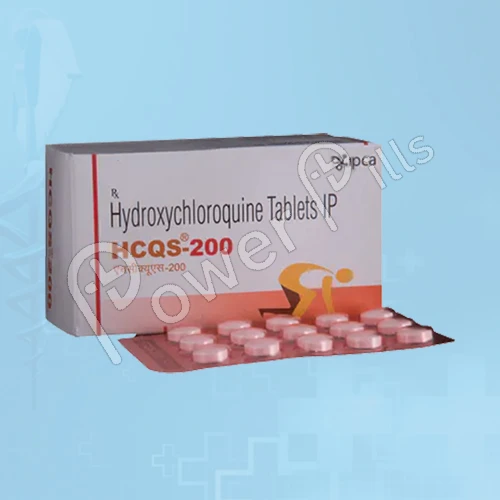
Hydroxychloroquine 200 mg
Price range: $55.00 through $165.00
Hydroxychloroquine 200 mg is a prescription medicine used to treat malaria, rheumatoid arthritis, and lupus. It works by regulating immune response and preventing parasite growth. Hydroxychloroquine 200 mg should be taken under medical supervision with prescribed dosage to ensure safety and effectiveness.
| Tablet | Price | Quantity | |
|---|---|---|---|
| 90 Tablet/s | $55.00 | ||
| 150 Tablet/s | $80.00 | ||
| 300 Tablet/s | $130.00 | ||
| 450 Tablet/s | $165.00 |

Introduction
Hydroxychloroquine 200 mg is a widely used medication prescribed for malaria prevention and treatment, as well as autoimmune conditions like rheumatoid arthritis and lupus. It acts by modulating the immune system and inhibiting parasite replication in malaria. Hydroxychloroquine 200 mg provides effective symptom control and disease management when taken as directed.
What is Hydroxychloroquine 200 mg?
Hydroxychloroquine 200 mg belongs to the class of medications called antimalarials and immunomodulators. It works by affecting the growth of malaria-causing parasites and regulating the immune system in autoimmune disorders. Hydroxychloroquine 200 mg is available in tablet form and should be used strictly according to medical guidance.
Uses of Hydroxychloroquine 200 mg
Hydroxychloroquine 200 mg is prescribed for several conditions, including:
-
Malaria prevention and treatment
-
Rheumatoid arthritis management
-
Systemic lupus erythematosus
-
Certain skin conditions caused by autoimmune disorders
Hydroxychloroquine 200 mg may also be prescribed off-label for other conditions under strict medical supervision.
How Hydroxychloroquine 200 mg Works
Hydroxychloroquine 200 mg works through two main mechanisms:
-
Anti-malarial action – It prevents malaria parasites from multiplying in red blood cells, helping control infection.
-
Immunomodulatory action – It reduces abnormal immune responses, controlling inflammation in autoimmune conditions.
These mechanisms make Hydroxychloroquine 200 mg effective for both infectious and autoimmune diseases.
Dosage and Administration
The dosage of Hydroxychloroquine 200 mg depends on the condition being treated.
General guidelines include:
-
Malaria treatment: 400 mg initially, followed by 200 mg at prescribed intervals
-
Malaria prevention: 200 mg once or twice weekly, depending on risk
-
Autoimmune conditions: 200 mg once or twice daily, adjusted according to response
Hydroxychloroquine 200 mg should be taken with food or milk to reduce stomach irritation. Tablets should be swallowed whole with water. Patients should follow the full course as prescribed.
Benefits of Hydroxychloroquine 200 mg
Hydroxychloroquine 200 mg provides several therapeutic benefits:
-
Effective prevention and treatment of malaria
-
Reduces joint pain and swelling in rheumatoid arthritis
-
Helps control lupus flare-ups
-
Modulates immune system activity
-
Improves quality of life in chronic autoimmune conditions
These benefits make Hydroxychloroquine 200 mg a trusted medicine in both infectious and autoimmune disease management.
Side Effects of Hydroxychloroquine 200 mg
Hydroxychloroquine 200 mg is generally well tolerated, but some patients may experience side effects.
Common side effects include:
-
Nausea
-
Vomiting
-
Stomach discomfort
-
Headache
-
Dizziness
Rare but serious side effects include:
-
Vision changes or eye damage
-
Heart rhythm abnormalities
-
Severe allergic reactions
Patients should consult a doctor if they experience any serious or persistent side effects. Regular eye examinations are recommended for long-term use.
Precautions and Warnings
Hydroxychloroquine 200 mg should be used with caution in certain situations:
-
Patients with heart rhythm disorders should be monitored
-
Long-term use requires regular eye check-ups
-
Use during pregnancy should be guided by a doctor
-
Kidney or liver impairment requires dose adjustment
Hydroxychloroquine 200 mg should always be taken under medical supervision to ensure safety and effectiveness.
Drug Interactions
Hydroxychloroquine 200 mg may interact with:
-
Antacids
-
Certain heart medications
-
Blood sugar-lowering drugs
-
Other immunosuppressants
Patients should inform their doctor of all medications before starting Hydroxychloroquine 200 mg.
Storage Instructions
Hydroxychloroquine 200 mg should be stored at room temperature, away from moisture, heat, and direct sunlight. Tablets should remain in the original packaging and out of reach of children.
Responsible Use
Hydroxychloroquine 200 mg should not be used without prescription. Proper adherence to dosage, routine monitoring, and medical supervision ensures effective treatment while minimizing risks. Overuse or incorrect use can lead to side effects and reduced effectiveness.
Conclusion
Hydroxychloroquine 200 mg is a versatile medicine effective for malaria treatment and prevention, as well as autoimmune disorders like rheumatoid arthritis and lupus. When used responsibly under medical guidance, Hydroxychloroquine 200 mg provides significant health benefits with manageable risks.
Frequently Asked Questions (FAQ)
1. What is Hydroxychloroquine 200 mg used for?
Hydroxychloroquine 200 mg is used to treat malaria, rheumatoid arthritis, lupus, and certain autoimmune skin conditions.
2. How often should Hydroxychloroquine 200 mg be taken?
Dosage depends on the condition. For autoimmune diseases, it is usually taken once or twice daily. For malaria prevention, dosing may be weekly or daily as prescribed.
3. Can Hydroxychloroquine 200 mg cause vision problems?
Yes, long-term use may affect vision. Regular eye check-ups are recommended.
4. Can Hydroxychloroquine 200 mg be taken during pregnancy?
Use during pregnancy should only occur under strict medical guidance.
5. Are there common side effects of Hydroxychloroquine 200 mg?
Common side effects include nausea, vomiting, stomach discomfort, headache, and dizziness. Serious side effects are rare but require medical attention.
| Tablet | 90 Tablet/s, 150 Tablet/s, 300 Tablet/s, 450 Tablet/s |
|---|---|
| Active Ingredient (Generic Name) | Hydroxychloroquine |
| Indication | Rheumatoid arthritis, Systemic lupus erythematosus (SLE), Type 2 diabetes, treating COVID-19 |
| Manufacturer | Torrent Pharmaceuticals Ltd |
| Packaging | 15 Tablets in 1 strip |
| Strength | 200mg |
| Delivery Time | 6 To 15 days |
Related products










 Hydroxychloroquine 200 mg
Price range: $55.00 through $165.00
| Tablet | Price | Quantity | |
|---|---|---|---|
| 90 Tablet/s | $55.00 | ||
| 150 Tablet/s | $80.00 | ||
| 300 Tablet/s | $130.00 | ||
| 450 Tablet/s | $165.00 |