
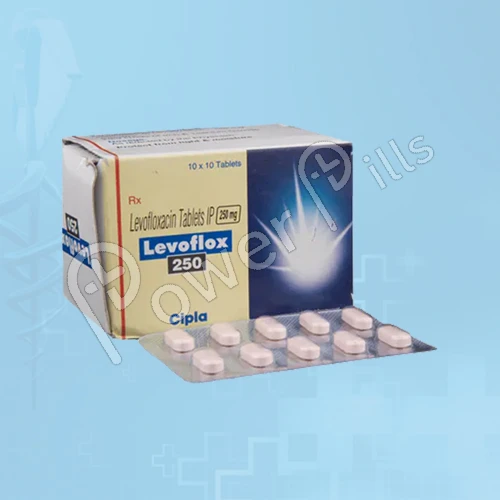
Levofloxacin 250 mg
Price range: $70.00 through $410.00
Levofloxacin 250 mg is an antibiotic prescribed for mild to moderate bacterial infections, especially of the urinary tract and respiratory system. It stops bacterial growth and supports effective recovery. Levofloxacin 250 mg should always be taken exactly as directed by a doctor.
| Tablet | Price | Quantity | |
|---|---|---|---|
| 100 Tablet/s | $70.00 | ||
| 200 Tablet/s | $120.00 | ||
| 300 Tablet/s | $150.00 | ||
| 500 Tablet/s | $220.00 | ||
| 1000 Tablet/s | $410.00 |

Introduction
Levofloxacin 250 mg is a commonly prescribed antibiotic from the fluoroquinolone group. Doctors recommend this lower strength for mild to moderate bacterial infections or as a step-down therapy. Levofloxacin 250 mg offers reliable antibacterial action when taken according to medical advice.
What is Levofloxacin 250 mg?
Levofloxacin 250 mg is an oral antibiotic that treats infections caused by susceptible bacteria. It targets bacterial enzymes that are essential for DNA replication and repair. By blocking these enzymes, Levofloxacin 250 mg prevents bacterial multiplication and helps the immune system clear the infection.
Uses of Levofloxacin 250 mg
Levofloxacin 250 mg is commonly used to treat:
-
Uncomplicated urinary tract infections
-
Mild kidney infections
-
Mild respiratory tract infections
-
Sinus infections
-
Skin and soft tissue infections
Levofloxacin 250 mg should be used only when a bacterial infection is confirmed or strongly suspected.
How Levofloxacin 250 mg Works
Levofloxacin 250 mg works by inhibiting DNA gyrase and topoisomerase IV enzymes inside bacteria. These enzymes allow bacteria to reproduce and survive. When their activity is blocked, bacterial growth stops, and infection control becomes easier.
Dosage and Administration
The dosage of Levofloxacin 250 mg depends on the infection type, severity, and patient condition.
General dosage guidelines include:
-
Typical adult dose: 250 mg once daily
-
Treatment duration: 3 to 10 days, depending on infection
Levofloxacin 250 mg should be swallowed whole with sufficient water. Adequate hydration should be maintained during therapy. The dosing schedule should not be skipped or altered without medical advice.
Benefits of Levofloxacin 250 mg
Levofloxacin 250 mg provides several treatment benefits:
-
Effective action against common bacteria
-
Suitable for mild infections
-
Once-daily dosing convenience
-
Good absorption and tissue penetration
-
Reduced risk of overtreatment when lower strength is needed
These advantages make Levofloxacin 250 mg a useful option for targeted antibiotic therapy.
Side Effects of Levofloxacin 250 mg
Levofloxacin 250 mg may cause side effects in some patients.
Common side effects include:
-
Nausea
-
Diarrhea
-
Headache
-
Dizziness
-
Mild stomach discomfort
Serious side effects may include:
-
Tendon inflammation or rupture
-
Nerve-related symptoms
-
Changes in mood or sleep
-
Heart rhythm changes
Medical attention should be sought if severe symptoms develop.
Precautions and Warnings
Important precautions should be followed when using Levofloxacin 250 mg:
-
Tendon injury risk may increase in older adults
-
Patients with seizure disorders should inform their doctor
-
Sun exposure may increase skin sensitivity
-
Pregnancy and breastfeeding require medical consultation
Levofloxacin 250 mg should always be used under professional medical supervision.
Drug Interactions
Levofloxacin 250 mg may interact with:
-
Antacids containing aluminum or magnesium
-
Iron, calcium, or zinc supplements
-
Blood sugar-lowering medicines
-
Certain heart rhythm medications
A time gap of several hours should be maintained between these products and Levofloxacin 250 mg.
Storage Instructions
Levofloxacin 250 mg should be stored at room temperature in a dry place. Direct sunlight and moisture should be avoided. The medicine should be kept out of reach of children.
Antibiotic Resistance Awareness
Proper use of Levofloxacin 250 mg helps reduce antibiotic resistance. The full course should be completed even if symptoms improve early. Unnecessary use should always be avoided.
Conclusion
Levofloxacin 250 mg is an effective antibiotic for treating mild to moderate bacterial infections. When used responsibly, Levofloxacin 250 mg provides reliable infection control, good tolerability, and improved recovery outcomes.
Frequently Asked Questions (FAQ)
1. What is Levofloxacin 250 mg used for?
Levofloxacin 250 mg is used to treat mild bacterial infections, especially urinary and respiratory tract infections.
2. How often should Levofloxacin 250 mg be taken?
Levofloxacin 250 mg is usually taken once daily, as prescribed by a doctor.
3. Can Levofloxacin 250 mg treat viral infections?
No, Levofloxacin 250 mg works only against bacterial infections.
4. Is Levofloxacin 250 mg safe for elderly patients?
Levofloxacin 250 mg may be used in elderly patients with caution due to tendon-related risks.
5. Can Levofloxacin 250 mg be taken with food?
Yes, Levofloxacin 250 mg can be taken with or without food, but dairy products should not be taken at the same time.
| Tablet | 100 Tablet/s, 200 Tablet/s, 300 Tablet/s, 500 Tablet/s, 1000 Tablet/s |
|---|---|
| Active Ingredient (Generic Name) | Levofloxacin |
| Manufacturer | Cipla Ltd |
| Delivery Time | 6 To 15 days |
Related products







 Levofloxacin 250 mg
Price range: $70.00 through $410.00
| Tablet | Price | Quantity | |
|---|---|---|---|
| 100 Tablet/s | $70.00 | ||
| 200 Tablet/s | $120.00 | ||
| 300 Tablet/s | $150.00 | ||
| 500 Tablet/s | $220.00 | ||
| 1000 Tablet/s | $410.00 |