
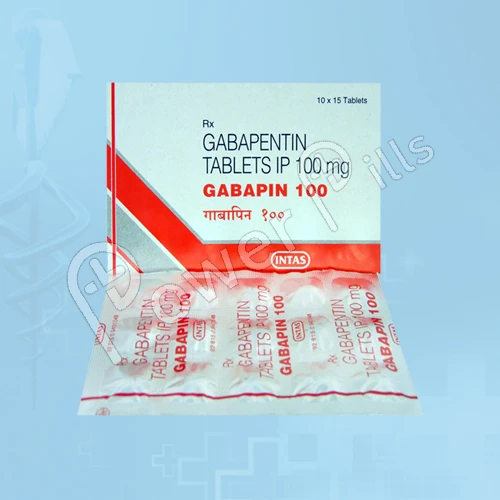
Gabapin 100 Mg
Price range: $75.00 through $230.00
Gabapin 100 mg is used to manage nerve pain, seizures, and neuropathic conditions. It works by calming overactive nerve signals in the central nervous system, reducing pain, tingling, and discomfort. Gabapin 100 mg should be taken under medical supervision to ensure safe and effective results.
| Tablet | Price | Quantity | |
|---|---|---|---|
| 100 Tablet/s | $75.00 | ||
| 200 Tablet/s | $125.00 | ||
| 300 Tablet/s | $160.00 | ||
| 500 Tablet/s | $230.00 |

Introduction
Gabapin 100 mg is widely prescribed to treat neuropathic pain, seizures, and nerve-related disorders. It provides relief by stabilizing nerve activity in the central nervous system. Gabapin 100 mg helps improve patient comfort, reduce pain, and enhance daily functioning when used responsibly under medical supervision.
What is Gabapin 100 mg?
Gabapin 100 mg contains gabapentin, an anticonvulsant and nerve pain medication. It works by regulating electrical activity in the nerves, reducing abnormal signaling that causes pain or seizures. Gabapin 100 mg is prescribed for adults and children depending on the condition. When taken correctly, it is safe and effective for managing nerve-related disorders.
Uses of Gabapin 100 mg
Gabapin 100 mg is commonly prescribed for:
-
Neuropathic pain due to diabetes or nerve injury
-
Partial seizures in epilepsy
-
Post-herpetic neuralgia (nerve pain after shingles)
-
Chronic nerve pain from injury or surgery
-
Restless legs syndrome (under medical supervision)
It is important to take Gabapin 100 mg exactly as prescribed to achieve optimal results and minimize side effects.
How Gabapin 100 mg Works
Gabapin 100 mg works by binding to specific calcium channels in the nervous system. This reduces the release of neurotransmitters that trigger pain or seizure activity. By calming overactive nerve signals, Gabapin 100 mg alleviates pain, decreases seizure frequency, and improves overall quality of life.
Dosage and Administration
The dosage of Gabapin 100 mg depends on age, weight, kidney function, and medical condition.
General guidelines include:
-
Adults: 100 mg taken 3 times daily, or as prescribed
-
Children: Dosage depends on weight and age, strictly under medical supervision
-
Can be taken with or without food
-
Dose adjustments are required for patients with kidney impairment
Abrupt discontinuation should be avoided, as it may cause withdrawal symptoms or seizure recurrence.
Benefits of Gabapin 100 mg
Gabapin 100 mg offers several benefits:
-
Reduces nerve pain and tingling sensations
-
Controls partial seizures in epilepsy
-
Improves sleep in chronic pain patients
-
Enhances daily functioning and mobility
-
Supports long-term nerve health when taken responsibly
These benefits make Gabapin 100 mg a reliable choice for managing nerve-related conditions.
Side Effects of Gabapin 100 mg
Gabapin 100 mg is generally well tolerated, though side effects may occur.
Common side effects include:
-
Dizziness
-
Drowsiness or fatigue
-
Mild nausea or upset stomach
-
Swelling in extremities
Rare but serious side effects include:
-
Severe allergic reactions
-
Mood changes or depression
-
Difficulty breathing
-
Severe dizziness or imbalance
Patients experiencing severe or persistent side effects should contact their healthcare provider immediately. Proper dosing reduces risks.
Precautions and Warnings
Before taking Gabapin 100 mg, patients should consider:
-
Avoid driving or operating heavy machinery until effects are known
-
Inform the doctor about kidney or liver issues
-
Avoid alcohol, which can increase drowsiness
-
Pregnancy and breastfeeding require medical supervision
-
Do not stop the medication abruptly
Following these precautions ensures safe and effective use of Gabapin 100 mg.
Drug Interactions
Gabapin 100 mg may interact with:
-
Opioid pain medications
-
Sedatives or sleeping pills
-
Certain antacids containing aluminum or magnesium (should be taken 2 hours apart)
Patients should inform their healthcare provider about all medications to prevent adverse interactions.
Storage Instructions
Gabapin 100 mg should be stored at room temperature, away from heat, moisture, and sunlight. Keep out of reach of children. Do not use expired tablets.
Responsible Use of Gabapin 100 mg
Gabapin 100 mg should be taken exactly as prescribed. Misuse or overuse can lead to reduced effectiveness, withdrawal symptoms, or side effects. Maintaining proper hydration, a healthy diet, and regular exercise enhances the medication’s benefits.
Conclusion
Gabapin 100 mg is a safe and effective medication for managing neuropathic pain, seizures, and nerve-related disorders. When used responsibly under medical supervision, Gabapin 100 mg alleviates discomfort, improves quality of life, and supports long-term nerve health.
Frequently Asked Questions (FAQ)
1. What is Gabapin 100 mg used for?
Gabapin 100 mg is used to treat neuropathic pain, partial seizures, and nerve-related disorders.
2. How should Gabapin 100 mg be taken?
It should be taken orally, usually three times daily, with or without food, as prescribed by a healthcare provider.
3. Can Gabapin 100 mg cause side effects?
Common side effects include dizziness, drowsiness, nausea, and swelling. Severe effects are rare but require medical attention.
4. Can children take Gabapin 100 mg?
Use in children depends on age, weight, and condition, and should be strictly under medical supervision.
5. Can I stop Gabapin 100 mg suddenly?
No. Abrupt discontinuation may cause withdrawal symptoms or seizure recurrence. Always consult a doctor before stopping.
| Active Ingredient: | Gabapentin |
|---|---|
| Indication | Neuropathic Pain |
| Manufacturer | Intas Pharmaceuticals Ltd |
| Packaging | 15 tablets in 1 strip |
| Strength | 100 Mg |
| Delivery Time | 6 To 15 days |
Related products











 Gabapin 100 Mg
Price range: $75.00 through $230.00
| Tablet | Price | Quantity | |
|---|---|---|---|
| 100 Tablet/s | $75.00 | ||
| 200 Tablet/s | $125.00 | ||
| 300 Tablet/s | $160.00 | ||
| 500 Tablet/s | $230.00 |
Reviews
There are no reviews yet.